Dateline: 29 December, 2022
What a long, strange year it has been.
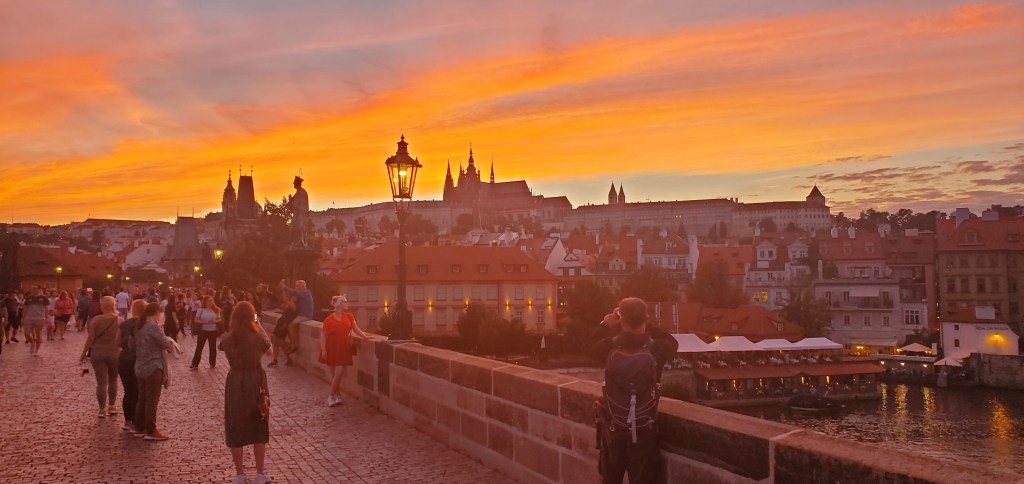
So much has happened to me just in the the last three months alone that I don’t even know where to begin. I had a wonderful summer in Prague. I completed my certification in teaching English as a foreign language. I started my new career as an English foreign language teacher. I met some very interesting people. And I fell in love with a beautiful Bohemian woman.
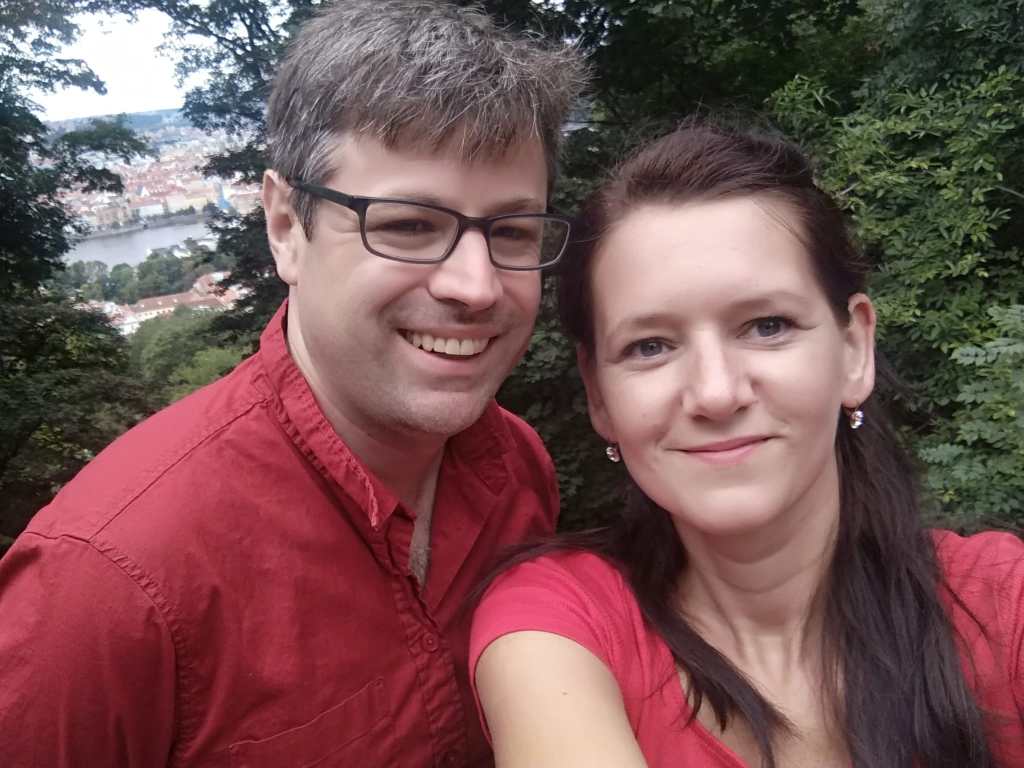
In our era of instant gratification, people ask my why I don’t publish here more often. I humbly remind them then when it comes to writing, I like to put quality first, and if that means I must write less often, then so be it. However, even though I haven’t been publishing, I have been writing. Rather than publish a few half thoughts and photos on the various (anti) social media platforms, I wrote my thoughts with ink on paper, mere drafts to be published at a later date.
It was during this drafting process that one of my students asked if I, an American and therefore an obvious fan of baseball, was aware that that the Czech national baseball team had defeated Spain and thus, qualified for the 2023 World Baseball Classic. I told my student I wasn’t even away that the the Czech Republic even had a national baseball team.
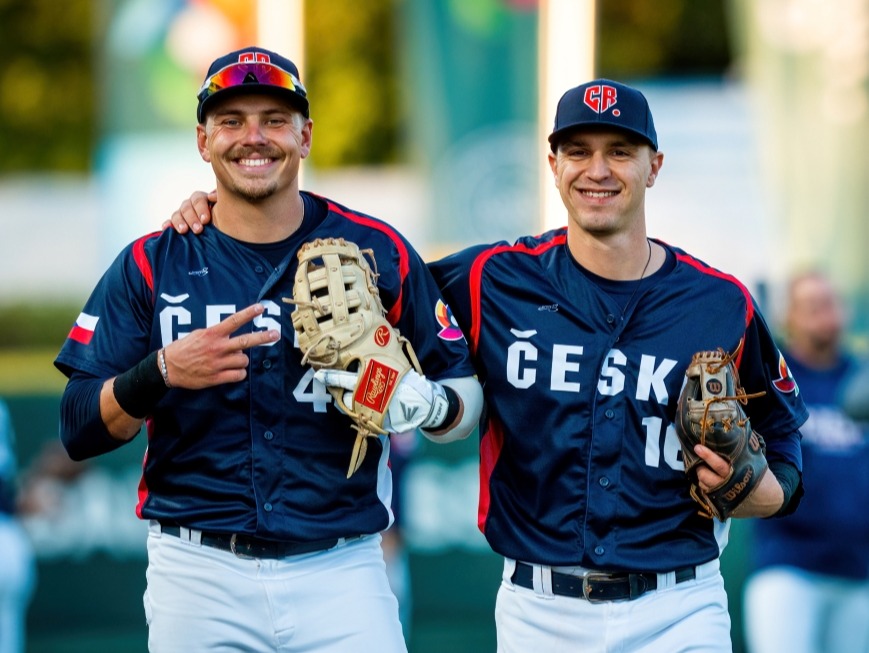
“Oh, we do,” my student replied. “It’s a baseball team like no other. The pitcher is a fireman; one of our other players is a doctor.”
When I heard that, my thoughts immediately raced back what many refer to as baseball’s Golden Age. Before free agency. Before television. Before multi-million dollar player contracts. I thought of Dominic DiMaggio’s memoir, Real Grass, Real Heroes. Dominic, younger brother of the much more famous Yankee slugger Joe, also played major baseball, but for the arch-rival Boston Red Sox. Dominic’s memoir focuses almost exclusively on the summer of 1941. When that was summer over, baseball nearly ended with it, as nearly all the most famous players of the era–as well as all military-aged young men who would have played in the minor leagues to grow and develop into better players–enlisted or were drafted into World War II.
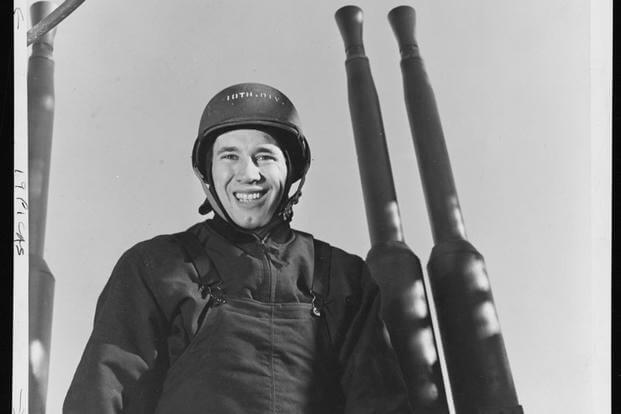
Bob Feller was the first to enlist–a mere 48 hours after the Japanese bombed Pearl Harbor, Feller enlisted in the United States Navy. At the time, he had been averaging 25 wins per season and over 250 strikeouts per season. For three years, Feller served in the United States Navy, seeing combat and serving in both the Pacific and North Atlantic. His career numbers, impressive as they were, would have been all the more spectacular if not for his military service. Fans would ask Feller how he felt about sacrificing so much of his career to World War II, and Feller would invariable respond: Defeating the Germans and the Japanese was the Greatest Victory.
And yet after this Greatest Victory, when players returned to the field on opening day in 1946, baseball, and the world, would never be the same again. Dominic writes about these changes in his memoir, how some are easy to identify, but others, hard to describe in words, just a general feeling of difference. Baseball would change much more in the years to come–astroturf being the chief atrocity among them–but Dominic doesn’t let his opinion to which changes are good are bad, and simply lets you, the reader, decide for yourself. For example, only the most blatant racists would ever take issue with Jackie Robinson, a man who broke baseball’s color barrier before the 1964 Civil Rights Act, before Rosa Parks and the Montgomery Bus Boycott, and before Harry Truman desegregated the U.S. military.
One jaw-dropping difference is that of player salaries. According to Dominic, his brother Joe was one of the only ballplayers who could afford private transportation to spring training in Florida. Others had to carpool, and in the era before the Interstate Highway System, this was a long, grueling trip. If you got stock behind a truck moving slowly uphill–to bad. You and your teammates had to wait until after the crest of the hill to pass the truck. You and your teammates also had to take turns driving. Another point of contention was whether or a ballplayer had to work a second job during the offseason. While the top players of the era earned enough money to rest and recover during the winter months, other players had to work second jobs to make ends meet. Obviously, these players were less than enthused about driving from end of the country to another at the start of spring training. One can only wonder what those conversations as to “it’s your turn to drive!” would have sounded like in the time before American athletes were multi-millionaires.
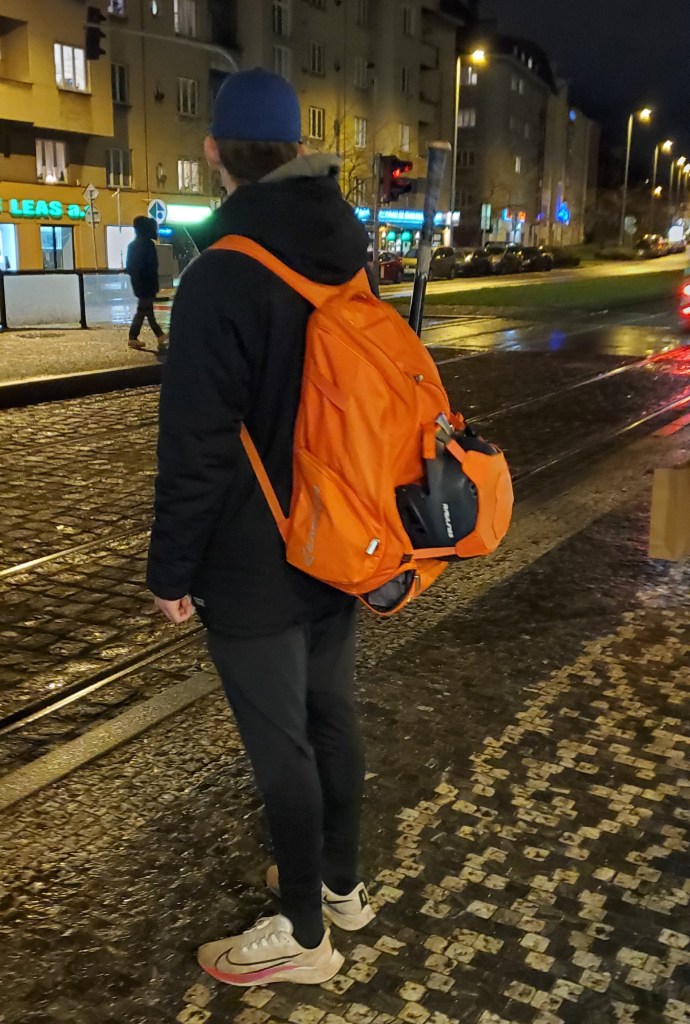
And yet here in Prague, that time is now. Baseball, America’s national pastime, is catching on in the Czech Republic. Granted, the Czech’s I speak to are either unaware of their own baseball team, or very cynical about their team’s chances–one Czech baseball player even told me: “I think we are going to get our asses kicked!” Given that their best player is a catcher who never played higher than AAA and is currently studying for his Master’s in Business Administration, it’s a hard point to argue with. And yet my response each time is the same. Dismal as the Czech national baseball team’s chances may be, the way they play is simply inspiring. With grit, determination, hustle. Heart. No matter what the statheads say, that is the winning formula for any championship team. And I warmly invite anyone who doubts me to simply look up which team defeated the 2002 “Moneyball” Oakland A’s.
So yes, I have much to write about. And I will continue writing about my experiences this summer, this fall, and during my first Christmas in Europe. I will continue to hope and state publicly for peace in eastern Europe and elsewhere. I don’t know what the future will bring, but I will continue to humbly hope that in the some way, I can contribute towards the greater good of mankind simply by documenting my experience in heart of Europe.
Until next time . . .
 A Connecticut Yankee in King Wenceslas's Court
Leave a comment